Organic Traffic – What It Is and Why You Should Work on It


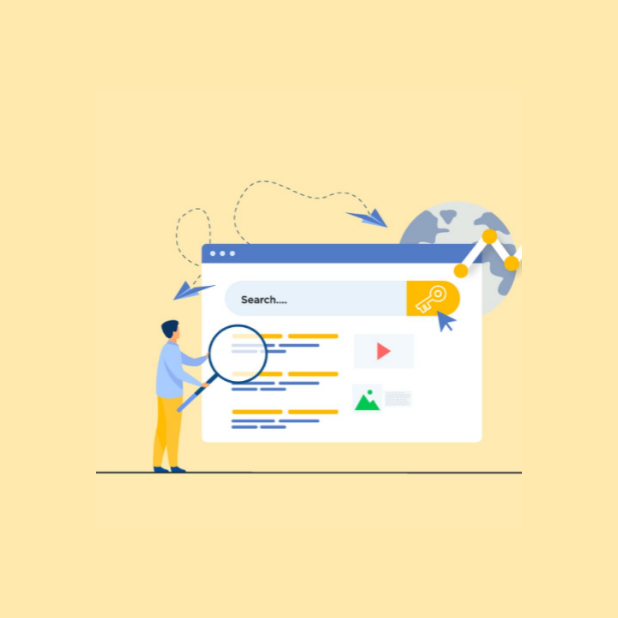
You may have heard of the term ‘organic traffic’. This term is most frequently used by SEO specialists, which means not everyone understands its significance. Today, we’ve decided to dedicate this article to organic traffic—explaining what it is and why it is so important.
What is Called Organic Traffic
Organic traffic refers to the number of visitors who enter a particular web resource by entering a query in a search engine. That is, organic traffic refers only to the web resource traffic that comes through the search results.
What are the advantages of organic traffic? Let’s list them:
- Consistent, meaning it doesn’t disappear without reason.
- Free.
- Increases trust and recognizability.
- Only people genuinely interested in a specific service visit the site.
Achieving organic traffic is possible in any direction, though it’s important to understand that some sectors differ significantly in terms of competition.
Differences Between Advertised and Organic Traffic
Let’s figure out how advertised traffic differs from organic:
- With organic traffic, you don’t pay for site visits, while in advertised traffic, you do (either per click or for a certain number of impressions).
- If your site holds top positions, the number of visits will be large. To achieve this in advertised traffic, you need to increase rates.
- Organic traffic takes a long time to accumulate, as all stages of promotion impact it. Advertised traffic gives immediate results as soon as the advertisement kicks in.
Even if you stop optimizing your resource, traffic will remain stable for quite some time. However, advertised traffic loses its position as soon as you remove your advertisement.
Why Organic Traffic is Important
Organic traffic is primarily target-specific, which is why it’s crucial for a website. For example, a user wants to find something online. They enter their query in the search bar. If your site has worthwhile answers to the user’s questions, they’ll stay on it and might become your client.
A site that’s well-optimized will be noticed by search engines, which will then assign it top positions in the results. This allows the site to be among the first suggestions for people, leading to more frequent visits. Since transitions in organic results are not paid for, such visitors are essentially free for the site. However, there will still be expenses for promoting the resource, but it will remain at the top for a long time, attracting more visitors.
Indicators show the quality of organic traffic. If it provides 60% of site visits, that’s excellent. If this figure is lower, then flaws must be identified. The site could be under filters, and sanctions may be imposed. This needs to be thoroughly checked and corrected.
Where Does Website Traffic Come From
Organic traffic is great, but it is not the only way to attract visitors. There are other methods:
- Advertisements. People see an ad icon in search results and click on the site.
- Direct traffic. Users type the address of the desired site into the search bar instead of a query.
- Social networks. Links to specific sites can be found on social networks.
- Referral traffic. Here, a link directing someone to a site must be located on another resource.
- Email. Links to the web resource can be found in emails.
Organic traffic is foundational as it brings a large number of visitors to the site. But this doesn’t mean it should be the only focus. The methods listed can be used in combination to strengthen the effect.
How to Monitor Organic Entries
Traffic should be monitored to understand if you are working effectively on your site or if there’s something that needs changing and improvement. Here are the most effective methods for tracking visit levels.
Google Analytics
Every SEO specialist knows this tool. To evaluate the organic traffic of your web resource, follow these steps:
- Register with Google Analytics.
- Add the tracking code to your site.
- Find the section showing the main sources of traffic.
- Go to the category with channels.
- Look for organic search data in the reports.
Google Search Console
Enter the service, and in the performance section, find the web search view and date. In the queries section, see which keywords and phrases contributed to the appearance of your resource in the results. Also, find the metric of your traffic from Google search.
Paid Services
Many online services can assist in traffic assessment, but most require payment. The most popular are Similarweb, Ahrefs, Semrush.
Ways to Increase Organic Traffic
Let’s delve deeper into ways to increase organic traffic.
Relevance of Site Content
When a person is searching for something online, they enter their search query and expect to get a result that precisely answers their question. This is called relevance. Your site should contain this kind of information to retain the user.
To achieve this, work with keywords, and understand which queries should lead people to your site. The finished material should be well-structured, beneficial, and engaging.
Keys in Headings and Articles
In optimization, much attention should be paid to headings, as this is the first detail evaluated by search robot. It’s also important for people as it’s the first thing they read and helps them evaluate the page contents.
To ensure search engines recognize your heading and determine the direction of your site’s activity, keywords must be present in the heading. Moreover, page optimization entails embedding keywords within the text content present on it. Such content will help you achieve greater traffic.
External Optimization
This term implies placing backlinks. To achieve this, find web resources considered authoritative on the internet or use outreach services like PrFlare. Then place links to your needed resource on these sites. Good backlinks signal search robots that the site indeed contains useful and interesting content. As a result, the resource is awarded top placements in the results, leading to growth in visits.
Usability
An important part of optimization is ensuring a user-friendly interaction with the site. A proper structure is essential for robots but is primarily developed for humans. This includes improving page load times, having a mobile site version, lack of errors in the technical part of the site, and easy navigation. Site usability leads to increased organic traffic.
Conclusion
If you want to attract as many visitors and potential clients to your site as possible, working with organic traffic will help you do this. Its biggest advantage is that it’s free, as you have to pay for every transition within advertised traffic. By optimizing a site and aligning it with the current needs of search engines, excellent organic traffic metrics can be achieved.
However, you must work only with white SEO marketing tools. Only in this case will search engines give a deserved evaluation to your web resource, granting it a top spot in the search results, inevitably leading to increased organic traffic.